Tel : 01273 936055
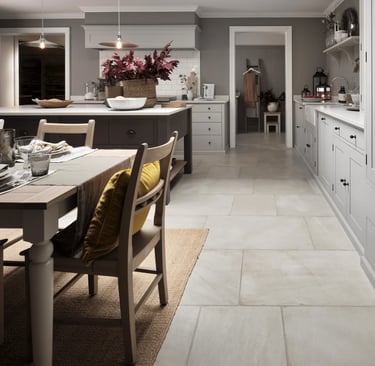
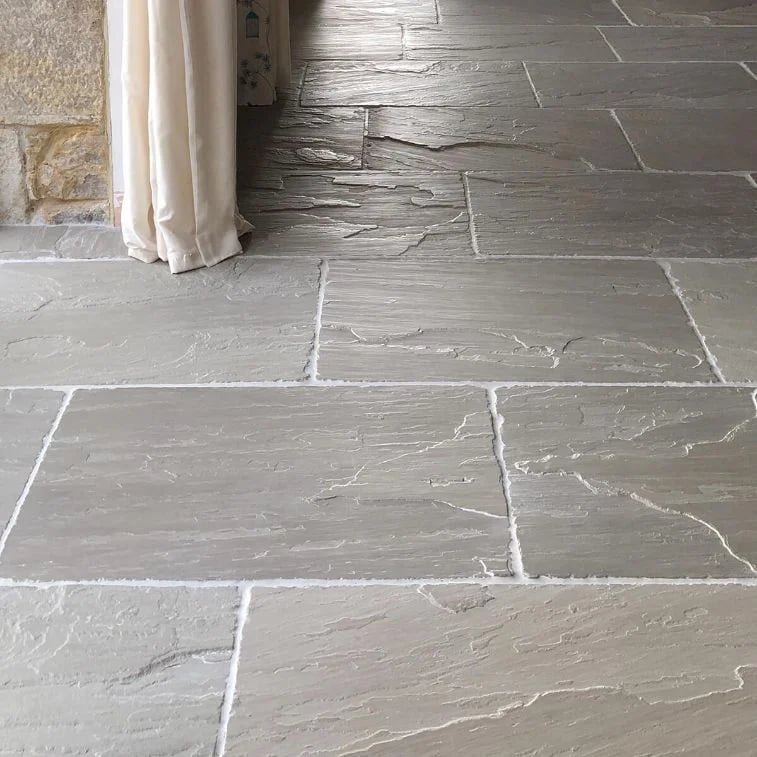
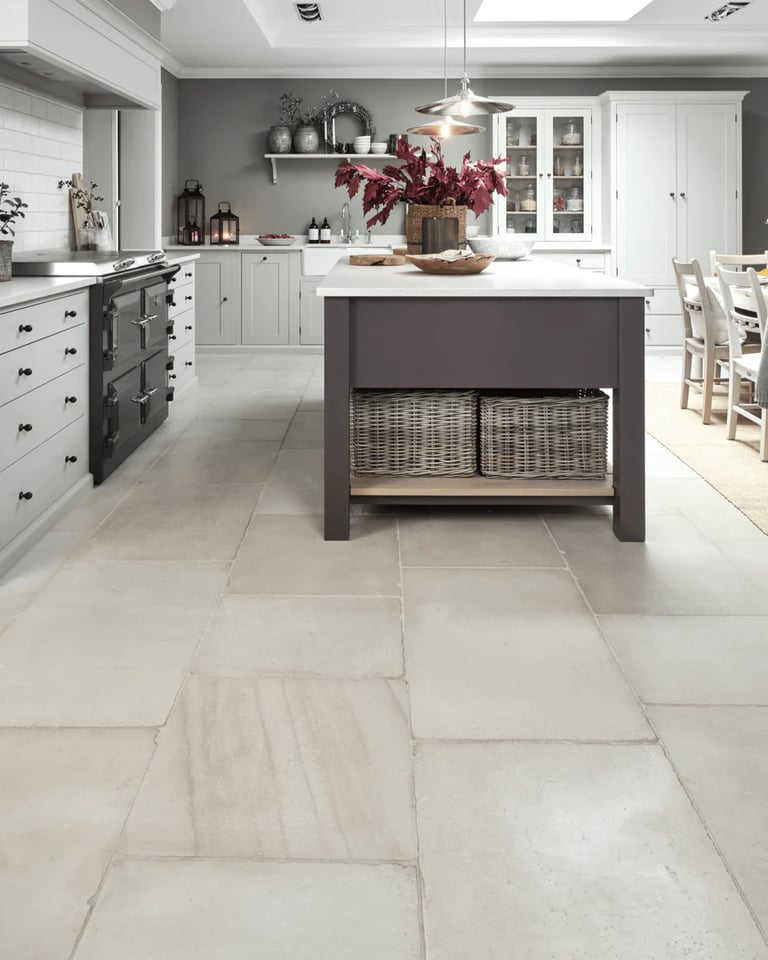
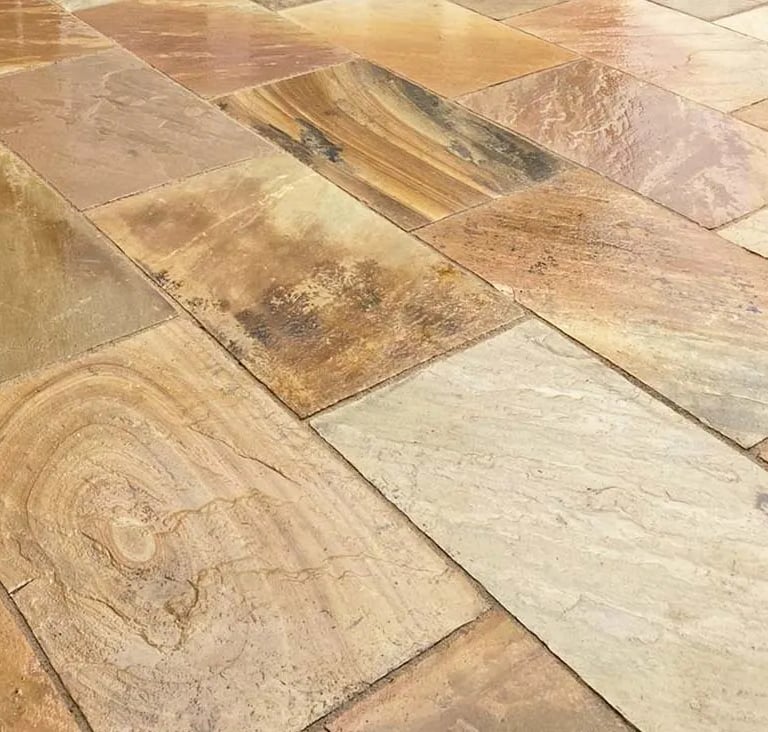
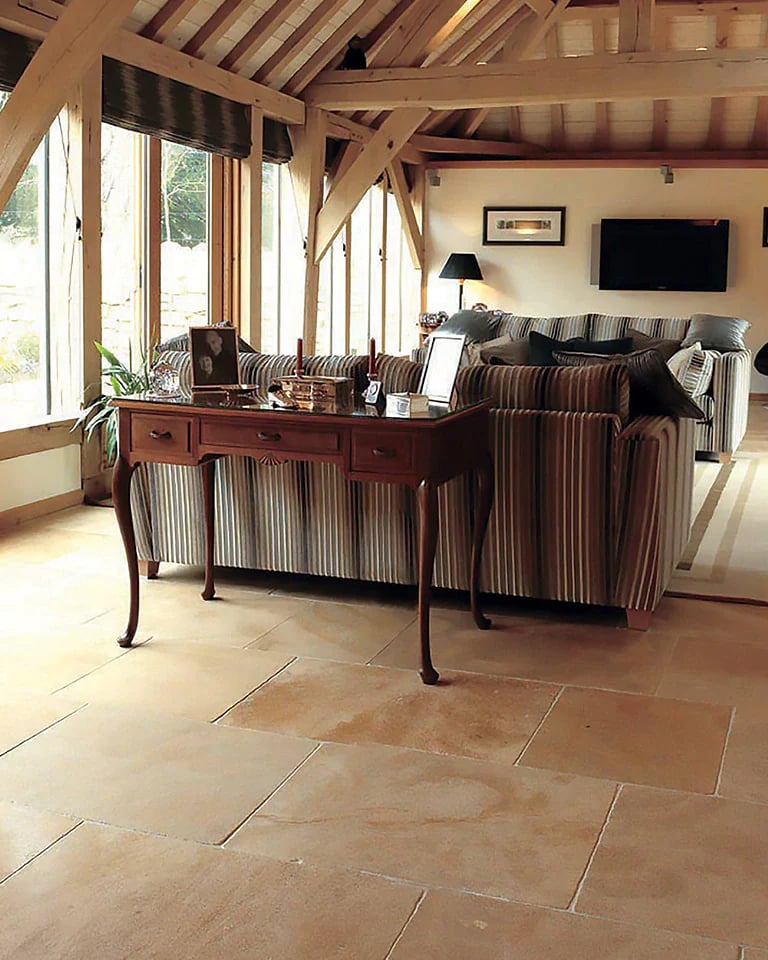
Sandstone flooring is valued for its natural beauty, warm colours and distinctive textured appearance. Formed from compressed sand and minerals over millions of years, sandstone is commonly used in both interior and exterior flooring. Its earthy tones and natural variation make it a popular choice for kitchens, hallways, patios and traditional homes.
However, sandstone is a relatively soft and porous natural stone, which means it can easily absorb dirt, moisture and stains if it is not properly sealed and maintained. Over time this can cause the surface of the stone to become darkened, uneven or worn.
Professional sandstone floor restoration can restore the natural colour and texture of the stone by removing dirt build-up, repairing damage and protecting the surface with specialist sealers. With the correct restoration techniques, worn sandstone floors can often be transformed without the need for costly replacement.
Our sandstone floor restoration service uses professional stone cleaning equipment and specialist sealers designed specifically for porous natural stone. Whether your sandstone floor has become stained, dull or heavily soiled, professional restoration can dramatically improve its appearance and extend the life of the stone.
Common Sandstone Floor Problems
Although sandstone is durable enough for flooring, its porous structure means it can develop several issues over time.
Dirt Trapped in the Stone
One of the most common problems with sandstone floors is the accumulation of dirt within the pores of the stone. Because sandstone has a naturally textured surface, dirt and grime can become embedded within the stone.
Over time this build-up can make the floor appear dark and uneven.
Staining
Sandstone is highly porous and can absorb liquids if it has not been properly sealed. Spills such as oil, wine or cleaning chemicals can penetrate the stone and cause staining.
Common sources of staining include:
cooking oils
muddy footprints
drink spills
cleaning chemicals
Once absorbed, these stains can alter the natural colour of the stone.
Worn or Deteriorated Sealers
Many sandstone floors are sealed to protect the surface of the stone. Over time these sealers can wear away due to foot traffic and cleaning.
When the sealer deteriorates, the stone becomes more vulnerable to staining and dirt penetration.
Dull or Uneven Appearance
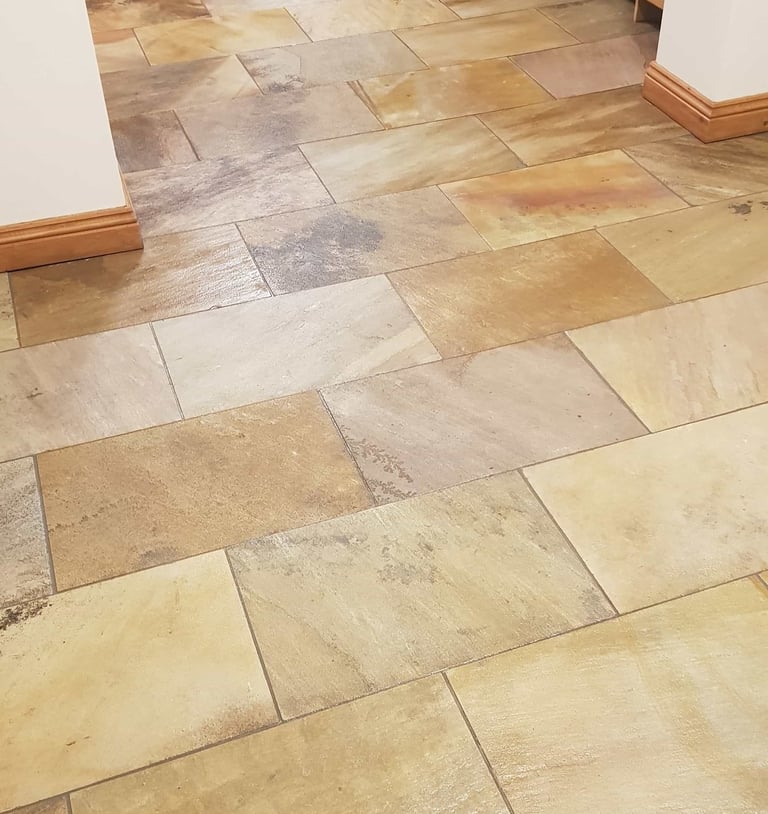
As dirt accumulates and sealers break down, sandstone floors can develop a dull or patchy appearance. The natural colour variations within the stone may become hidden beneath layers of dirt.
Professional restoration can remove these layers and reveal the original tones of the sandstone.
Damaged Grout Lines
Grout lines between sandstone tiles can also become discoloured or damaged over time. Dirt and moisture may penetrate the grout, causing dark staining or deterioration.
Cleaning and repairing grout lines is often part of the restoration process.
Sandstone Floor Restoration Process
Sandstone floor restoration requires specialist equipment and cleaning techniques designed for porous natural stone. The process involves several stages to remove dirt, repair damage and protect the stone.
1. Inspection and Assessment
The restoration process begins with a detailed inspection of the sandstone floor.
During this stage we assess:
the condition of the stone
dirt and grime build-up
stains and discolouration
damaged grout lines
the condition of existing sealers
This assessment helps determine the most effective restoration approach.
2. Deep Cleaning
Sandstone floors are first cleaned using professional stone cleaning solutions designed specifically for porous natural stone.
These cleaning agents break down dirt, grease and old sealing products that may have accumulated within the stone.
Specialist scrubbing equipment is often used to lift dirt from the textured surface of the sandstone and from grout lines.
This stage can significantly improve the appearance of heavily soiled floors.
3. Removal of Old Sealers
If the sandstone floor has previously been sealed, the old sealer may need to be removed before restoration can begin.
Old sealers can trap dirt and prevent proper cleaning of the stone surface. Specialist stripping solutions are used to remove these coatings safely.
Removing old sealers allows the natural stone surface to be fully cleaned.
4. Stain Treatment
Stains within the sandstone are treated using appropriate stone cleaning methods. In some cases, repeated cleaning may be required to reduce deep stains within the stone.
Because sandstone is porous, stain removal techniques must be carefully selected to avoid damaging the stone.
5. Grout Cleaning and Repairs
Grout lines between tiles are cleaned to remove embedded dirt and staining. If necessary, damaged grout can be repaired or replaced to improve the overall appearance of the floor.
This step helps restore a clean and uniform look across the tiled surface.
6. Drying the Stone
Because sandstone is porous, the stone must be allowed to dry thoroughly before sealing.
Allowing the stone to dry ensures that the sealer can penetrate properly and provide long-lasting protection.
7. Sealing the Sandstone
The final step in sandstone restoration is applying a professional stone sealer.
High-quality sealers penetrate the stone surface and create a protective barrier against moisture and staining.
Depending on the desired appearance, different sealers may be used to produce:
a natural matte finish
a satin finish
enhanced colour tones
Sealing also makes sandstone floors easier to maintain and clean.
Frequently Asked Questions
Can heavily stained sandstone floors be restored?
In many cases yes. Professional cleaning techniques can remove deep-seated dirt and significantly improve the appearance of stained sandstone floors.
How long does sandstone floor restoration take?
Most residential sandstone floor restoration projects can be completed within one to two days depending on the size of the area and the level of staining.
Why does sandstone need sealing?
Sandstone is a porous stone and can easily absorb moisture and stains. Sealing protects the stone and helps prevent future damage.
How often should sandstone floors be resealed?
Sandstone floors typically require resealing every 12–18 months depending on foot traffic and usage.
Can old sealers be removed from sandstone?
Yes. Professional restoration includes removing old sealers that may trap dirt or prevent proper cleaning of the stone.
Will restoration change the colour of the stone?
Restoration usually reveals the natural colour of the sandstone by removing dirt and old sealers. Some sealers can enhance the natural tones of the stone.
Request a Free Sandstone Floor Assessment
If your sandstone floor has become stained, dull or heavily soiled, professional restoration can restore the natural beauty of the stone.
Our sandstone floor restoration service removes deep dirt build-up, restores the natural colour of the stone and protects the surface with professional sealing treatments.
We provide sandstone floor restoration throughout Sussex including Brighton, Worthing, Horsham, Crawley and surrounding areas.
Contact us today to arrange a free sandstone floor assessment and quotation.
Our technicians will inspect your floor, explain the restoration process and recommend the best solution to restore your sandstone floor to its original appearance.

Contact us
SSSR
4 The Twitten
Albourne
BN69DF
info@sssr.co.uk
01273 936055
SSSR© 2026. All rights reserved.
Stone Floor Restore Limited : Trading as SSSR
Company Number : 17402188