Tel : 01273 936055
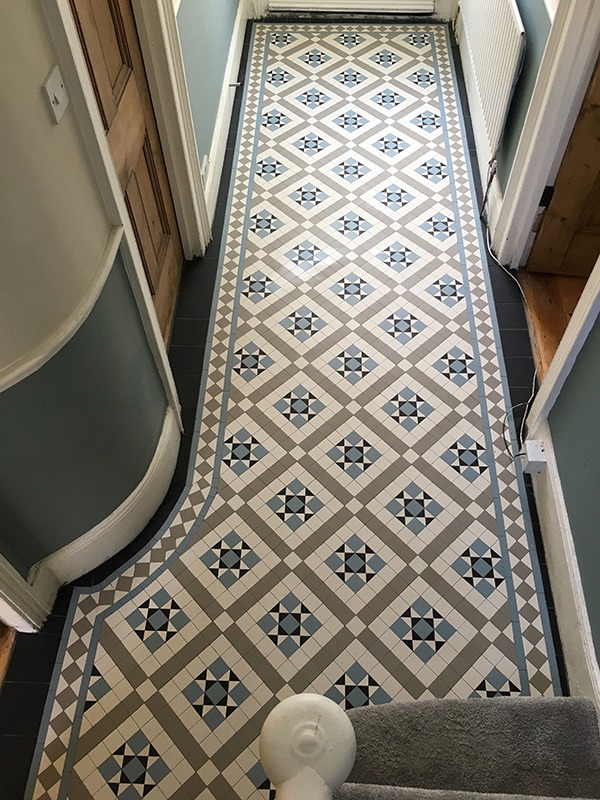
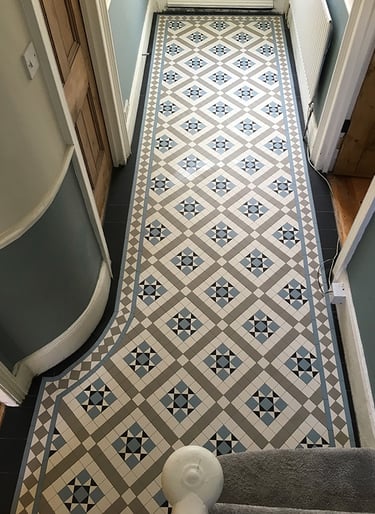
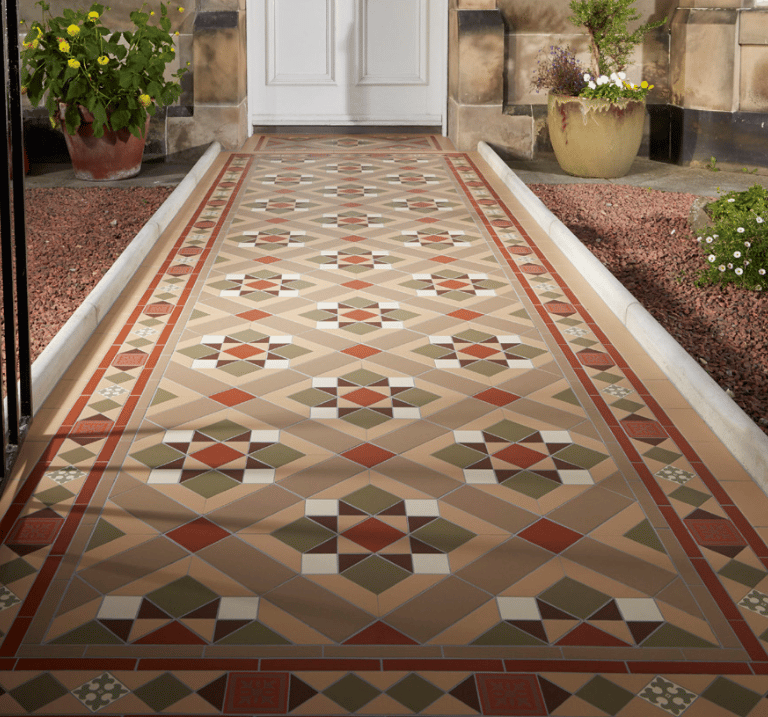
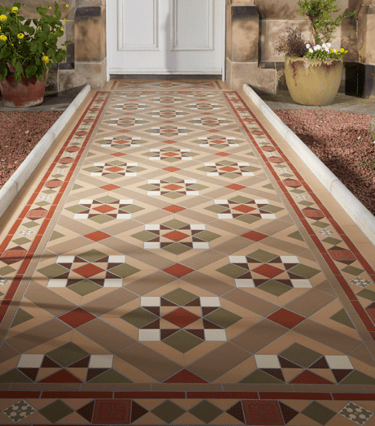
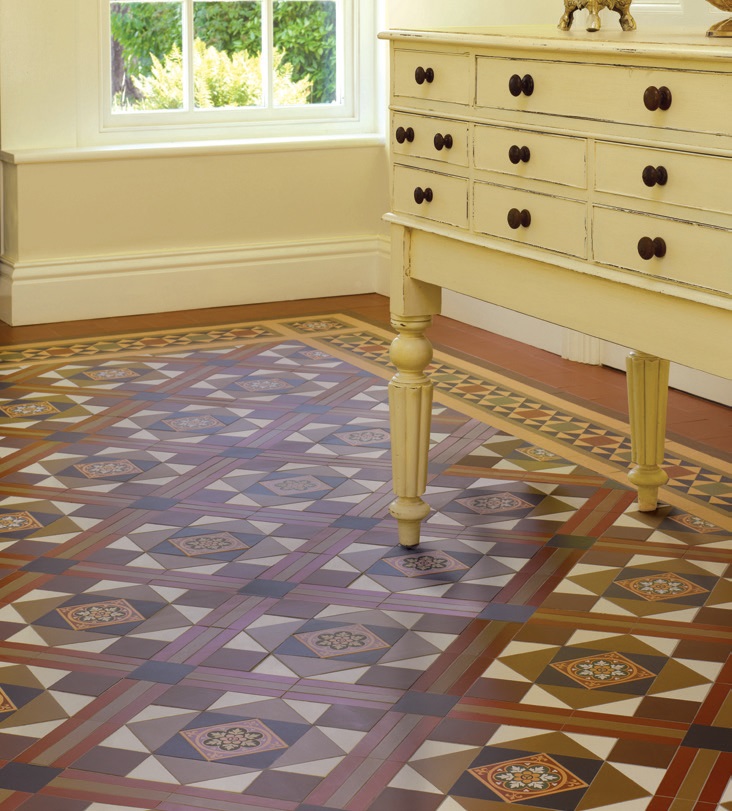
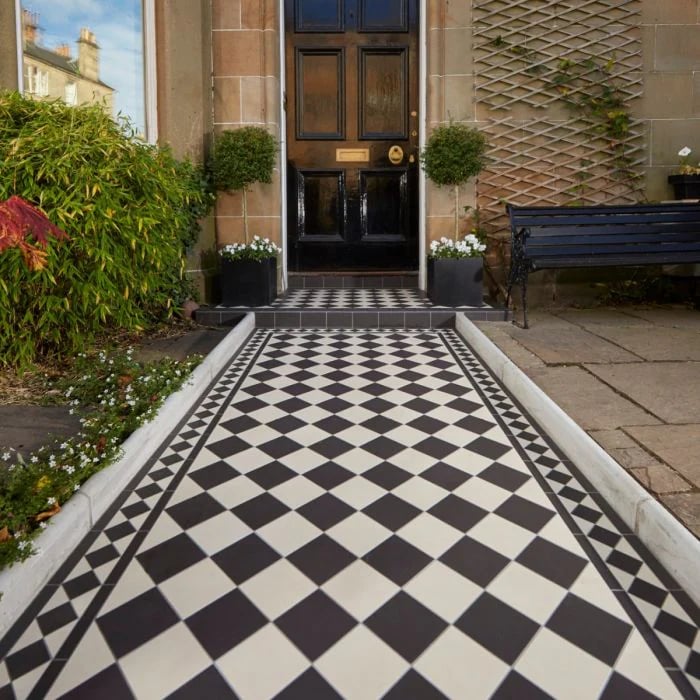
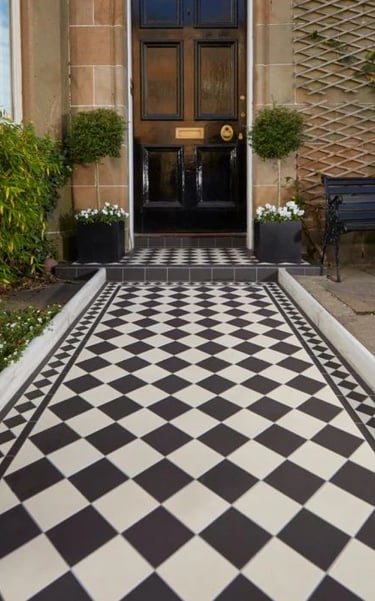
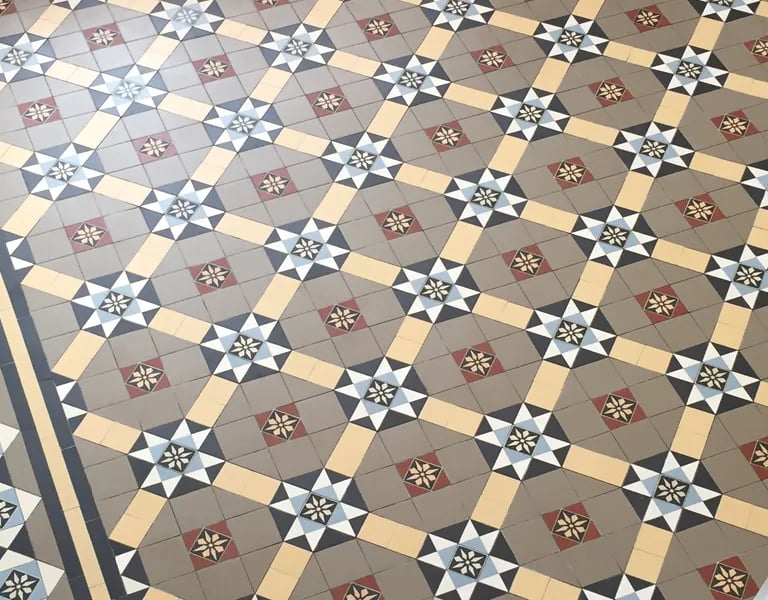
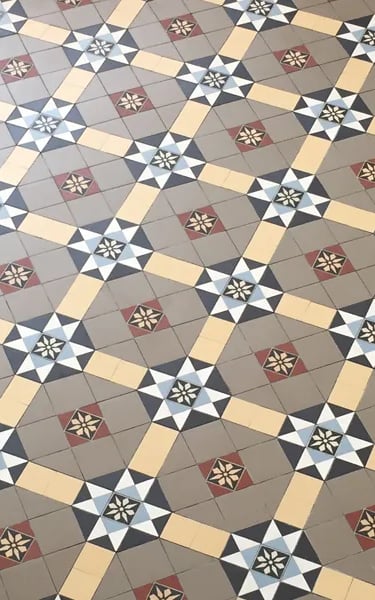
Victorian tile floors are a beautiful feature found in many period properties across the UK. Commonly installed in hallways, entranceways and porches during the late 19th and early 20th centuries, these floors are known for their intricate geometric patterns and rich colours.
Many Victorian tile floors were constructed using encaustic or geometric tiles made from natural clay. While these floors were designed to be durable, decades of foot traffic, dirt build-up and incorrect cleaning methods can leave them looking dull, stained or heavily worn.
Professional Victorian tile floor restoration can bring these historic floors back to life by removing years of dirt and grime, repairing damaged grout lines and protecting the tiles with specialist sealers.
Our Victorian tile restoration service carefully cleans and restores original tiles while preserving the historic character of the floor. With the correct techniques and equipment, even heavily soiled Victorian tile floors can often be transformed and restored to their former beauty.
Common Victorian Tile Floor Problems
Victorian tile floors are often more than 100 years old, and many have experienced significant wear over time. Several common issues are frequently seen in older properties.
Heavy Dirt and Grime Build-Up
One of the most common problems with Victorian tiles is the build-up of dirt and grime within the porous surface of the tiles and grout lines.
Over decades, layers of dirt, wax and old sealers can accumulate, causing the floor to appear dark or patchy.
In many cases, the original colours and patterns of the tiles become almost completely hidden beneath these layers.
Staining
Because many Victorian tiles are made from porous clay, they can absorb liquids if the floor is not properly sealed.
Spills, muddy shoes and cleaning chemicals can all cause staining, leaving the tiles discoloured.
Worn or Missing Sealers
Victorian tile floors were traditionally sealed to protect the surface from moisture and staining. Over time, these sealers can wear away or become uneven.
Old sealers may also trap dirt beneath them, making the floor appear darker and more uneven.
Damaged or Discoloured Grout
Grout lines between tiles can become darkened with dirt over time. In some cases, grout may also become cracked or damaged, which can affect the appearance and stability of the floor.
Loose or Damaged Tiles
In older properties, individual tiles may become loose due to structural movement or age. Small cracks or chips can also develop over time.
These issues can often be repaired during the restoration process.
Victorian Tile Floor Restoration Process
Restoring Victorian tile floors requires a careful and methodical approach. Because many of these floors are historic features, restoration must be carried out using techniques that protect the original tiles.
The restoration process usually includes several stages.
1. Inspection and Assessment
The restoration process begins with a detailed inspection of the floor.
During this stage we assess:
the condition of the tiles
dirt and grime build-up
damaged grout lines
existing sealers
loose or cracked tiles
This allows us to determine the most appropriate restoration approach.
2. Deep Cleaning the Tiles
Victorian tiles are carefully cleaned using specialist stone and tile cleaning solutions designed for porous clay surfaces.
These cleaning agents break down dirt, grease and old sealers that may have built up over many years.
Professional scrubbing equipment is often used to lift dirt from the surface of the tiles and from the grout lines.
This stage alone can dramatically improve the appearance of the floor.
3. Removing Old Sealers and Coatings
Many Victorian tile floors have been treated with wax or sealers in the past. Over time these coatings can trap dirt and cause the tiles to appear dull or uneven.
Specialist stripping solutions are used to safely remove these coatings and reveal the original tile surface beneath.
4. Grout Cleaning and Repairs
During restoration, grout lines are cleaned to remove embedded dirt and staining.
If necessary, damaged grout can be repaired or replaced to improve the appearance and stability of the floor.
This step helps restore the crisp appearance of the tile pattern.
5. Tile Repairs
If individual tiles are loose or damaged, they can often be repaired during the restoration process.
Loose tiles may be reset and small cracks repaired to preserve the original floor wherever possible.
6. Sealing the Floor
Once the tiles have been thoroughly cleaned and restored, the floor is sealed using a specialist impregnating or surface sealer.
Sealing protects the tiles from moisture and staining while enhancing the natural colour of the clay.
Depending on the desired appearance, sealers can create:
a natural matte finish
a satin finish
a richer colour-enhancing finish
Sealing also makes the floor much easier to clean and maintain.
Frequently Asked Questions
Can heavily stained Victorian tiles be restored?
In many cases yes. Professional cleaning techniques can remove deep-seated dirt and significantly improve the appearance of stained tiles.
How long does Victorian tile restoration take?
Most residential Victorian tile restoration projects can be completed within a few days, depending on the size of the floor and the level of dirt build-up.
Do Victorian tiles need sealing?
Yes. Because these tiles are often porous, sealing helps protect them from moisture and staining.
Can loose tiles be repaired?
In many cases loose tiles can be reset during the restoration process.
Will restoration change the appearance of the tiles?
Restoration typically reveals the original colours and patterns of the tiles by removing dirt and old sealers.
How often should Victorian tiles be resealed?
Victorian tiles should usually be resealed every 12–18 months depending on foot traffic.
Request a Free Victorian Tile Floor Assessment
If your Victorian tile floor has become dull, stained or heavily soiled, professional restoration can bring it back to life.
Our Victorian tile restoration service carefully removes years of dirt and grime while preserving the historic character of the floor.
We provide Victorian tile restoration throughout Sussex including Brighton, Worthing, Horsham, Crawley and surrounding areas.
Contact us today to arrange a free Victorian tile floor assessment and quotation.
Our technicians will inspect your floor, explain the restoration process and recommend the best solution to restore your Victorian tile floor to its original beauty.
Contact us
SSSR
4 The Twitten
Albourne
BN69DF
info@sssr.co.uk
01273 936055
SSSR© 2026. All rights reserved.
Stone Floor Restore Limited : Trading as SSSR
Company Number : 17402188