Tel : 01273 936055
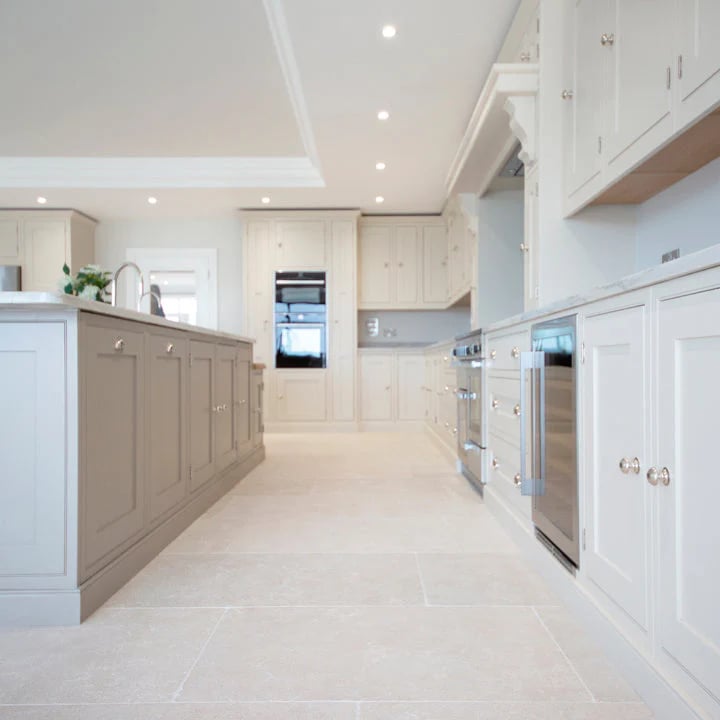
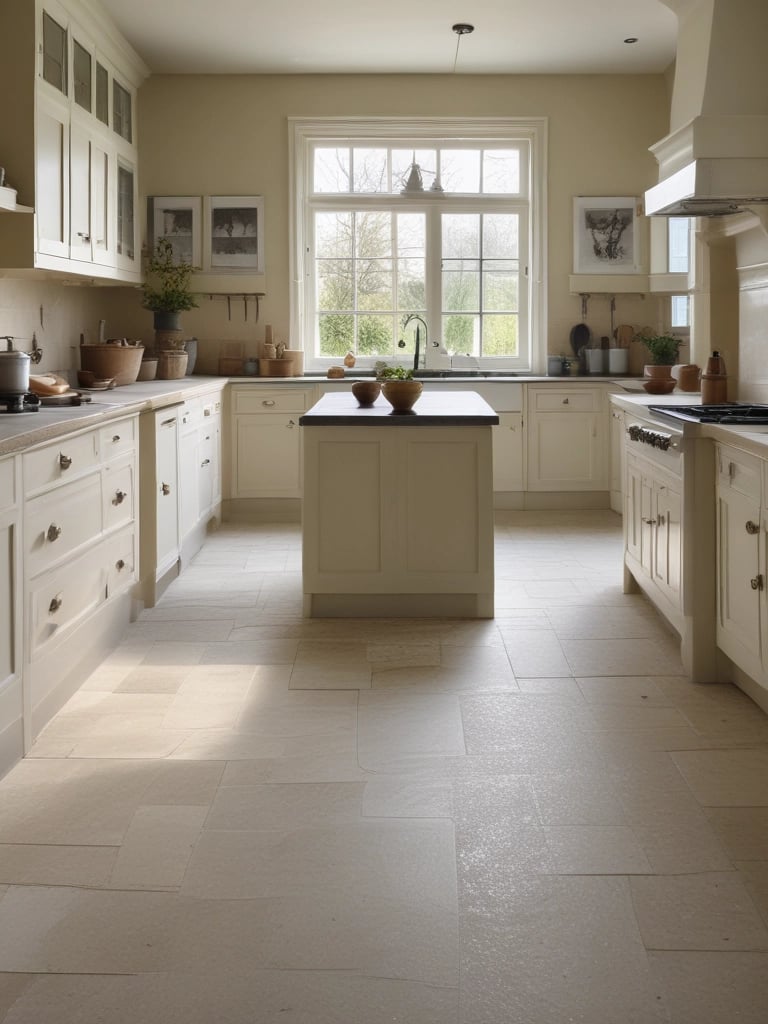
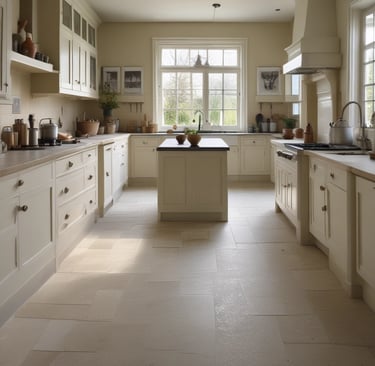
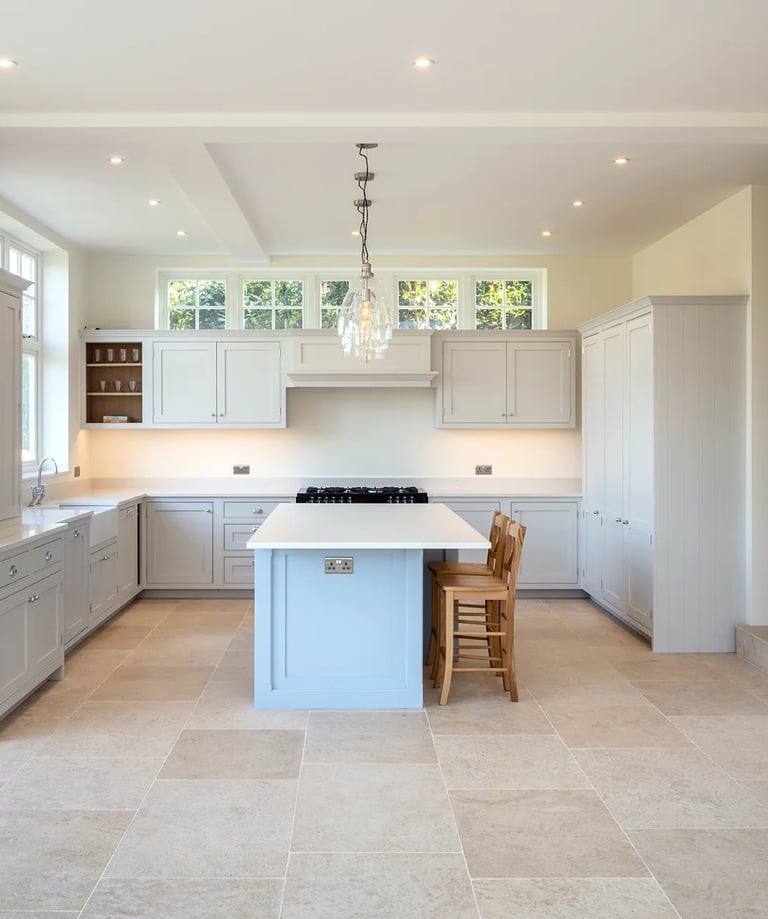
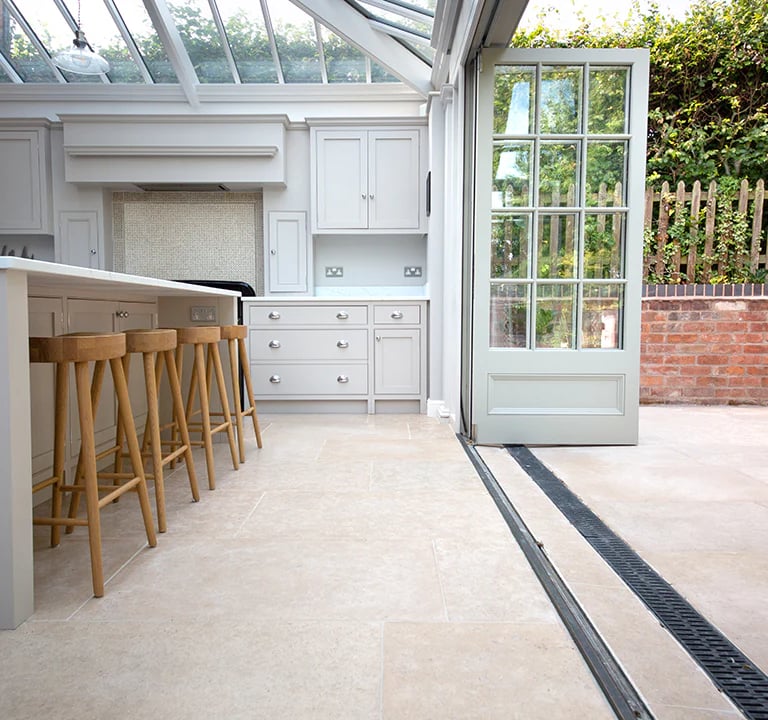
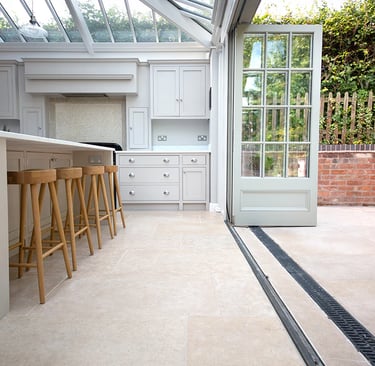
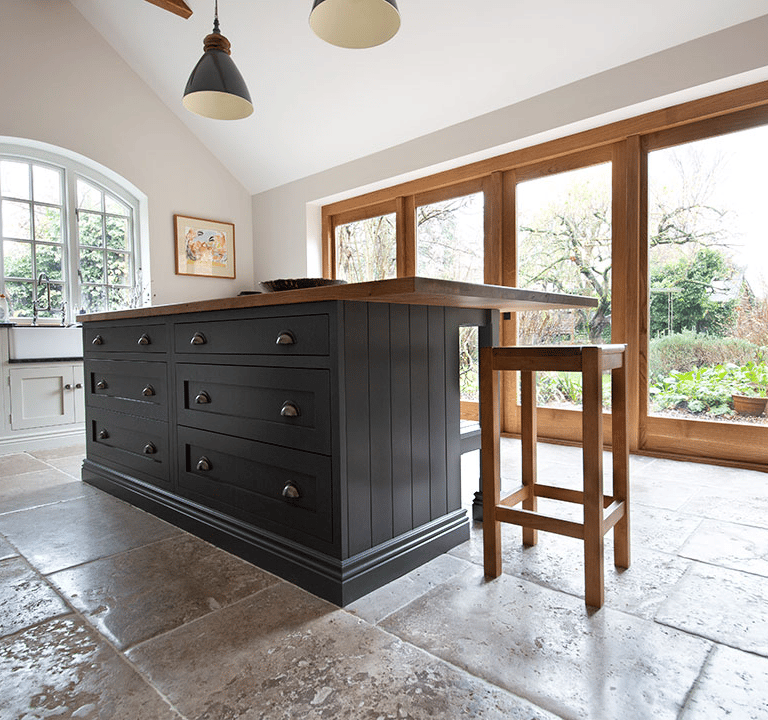
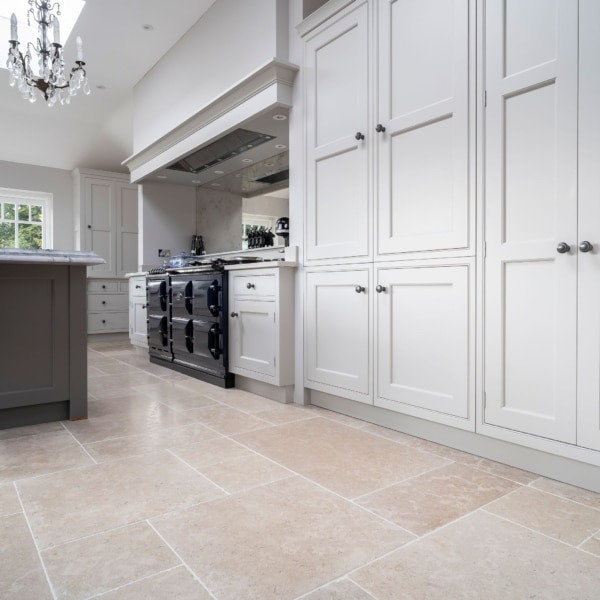
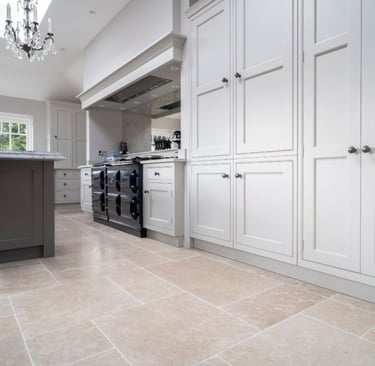
Limestone floors are a popular feature in many homes and commercial properties due to their natural beauty, subtle colour variations, and timeless appearance. However, because limestone is a relatively soft and porous natural stone, it can become worn, stained or scratched over time.
Professional limestone floor restoration can bring tired stone floors back to life by removing surface damage, restoring the natural finish of the stone and protecting it against future wear.
Our limestone floor restoration service uses specialist diamond honing and polishing techniques to repair damaged stone, smooth uneven surfaces and restore the natural appearance of limestone flooring. Whether your limestone floor has become dull, stained or scratched, restoration can dramatically improve its appearance without the need for costly replacement.
Common Limestone Floor Problems
Although limestone is durable, it is more vulnerable to damage than harder stones such as granite. Over time, daily use and incorrect cleaning products can lead to a number of common issues.
Surface Scratches
Limestone can scratch easily when grit, sand or dirt is dragged across the surface of the floor. Over time, these small scratches accumulate and give the floor a dull or worn appearance.
Heavy foot traffic in areas such as hallways, kitchens and entrances often accelerates this type of wear.
Etching from Acidic Substances
Limestone reacts with acidic liquids such as vinegar, wine, lemon juice and certain household cleaners. These substances can cause etch marks, which appear as dull patches or marks on the surface of the stone.
Etching can significantly affect the appearance of polished limestone floors and often requires professional honing to remove.
Staining
Because limestone is porous, it can absorb liquids and oils if the floor has not been properly sealed. This can lead to stains caused by:
cooking oils
coffee or wine spills
dirt embedded in the stone
water marks
Over time, staining can make the floor look patchy or uneven.
Loss of Shine or Finish
Many limestone floors are installed with either a honed or lightly polished finish. As the floor is used over time, this finish can gradually wear away, leaving the surface looking dull or flat.
Professional restoration can re-establish a smooth, even finish across the entire floor.
Uneven Tiles and Lippage
In some cases, limestone tiles can become uneven due to installation issues or structural movement. This results in small height differences between tiles, known as lippage.
Grinding and honing during restoration can help smooth these edges and create a more even surface.
Our Limestone Floor Restoration Process
Restoring limestone floors requires specialist equipment and experience to achieve a consistent and high-quality finish. The restoration process typically involves several stages designed to remove damage and refine the surface of the stone.
Although each project is different, most limestone floor restoration projects follow the steps below.
1. Inspection and Assessment
The restoration process begins with a thorough inspection of the limestone floor. This allows technicians to determine the type of limestone, the level of wear and the most appropriate restoration approach.
During the inspection we identify:
scratches and etching
stains or discolouration
uneven tiles or lippage
damaged grout lines
areas requiring repair
This assessment helps determine the correct sequence of diamond abrasives and restoration techniques required.
2. Deep Cleaning
Before restoration begins, the limestone floor is thoroughly cleaned using specialist stone cleaning products designed for natural stone surfaces.
This stage removes:
dirt and grease build-up
old sealers and waxes
embedded contaminants
Deep cleaning ensures the restoration process can work directly on the stone surface.
3. Grinding and Honing
If the limestone floor contains deep scratches, etching or uneven tile edges, the surface is refined using diamond grinding pads.
This process removes a thin layer of the stone surface and eliminates surface damage. Multiple honing passes with progressively finer diamond abrasives are then used to smooth and refine the limestone.
Honing creates a uniform finish and prepares the floor for the final polishing stage if required.
4. Limestone Polishing or Honed Finish
Depending on the desired appearance, the limestone floor can be finished with either a honed finish or a polished finish.
A honed finish produces a smooth, matte surface that is popular in kitchens and contemporary interiors.
A polished finish produces a higher level of shine and enhances the natural colour and texture of the stone.
The polishing process uses specialist polishing compounds and fine diamond pads to bring out the natural beauty of the limestone.
5. Grout Cleaning and Repair
During the restoration process, grout lines can also be cleaned and restored. Dirt and staining often accumulate in grout joints, which can make the entire floor look darker.
In some cases, damaged grout may be repaired or recoloured to improve the overall appearance of the floor.
6. Protective Sealing
The final step in limestone restoration is applying a professional stone sealer.
Because limestone is porous, sealing is essential to protect the stone from staining and moisture penetration. A high-quality impregnating sealer penetrates the stone and creates a protective barrier while allowing the stone to breathe.
Sealing also makes the limestone floor easier to clean and maintain.
Frequently Asked Questions
Can scratched limestone floors be repaired?
Yes. Scratches can usually be removed through professional honing, which refines the surface of the stone and restores a smooth finish.
How long does limestone floor restoration take?
Most residential limestone floors can be restored within two to three days depending on the size of the area and the level of damage.
Will limestone restoration make the floor shiny?
This depends on the finish you choose. Limestone floors can be restored to either a matte honed finish or a polished finish depending on the desired appearance.
How much does limestone floor restoration cost?
Costs vary depending on the condition of the floor and the size of the area being restored. Most limestone restoration projects are priced per square metre.
How often should limestone floors be sealed?
Most limestone floors should be resealed every 18 -24 months depending on the level of traffic and usage.
Can heavily stained limestone be restored?
In many cases, professional cleaning and honing can remove or significantly reduce staining. However, very deep stains may require more intensive treatment.
How should limestone floors be cleaned?
Limestone floors should be cleaned using pH-neutral stone cleaners. Avoid acidic or abrasive cleaning products which can damage the stone.
Request a Free Limestone Floor Assessment
If your limestone floor has become scratched, dull or stained, professional restoration can transform its appearance and extend the life of the stone.
Our limestone floor restoration service repairs surface damage, restores the natural finish of the stone and protects the floor against future wear.
We provide limestone floor restoration throughout Sussex, including Brighton, Worthing, Horsham, Crawley and surrounding areas.
Contact us today to arrange a free limestone floor assessment and quotation.
Our team will inspect your floor, explain the restoration process and recommend the best solution to restore your limestone floor to its original beauty.
Contact us
SSSR
4 The Twitten
Albourne
BN69DF
info@sssr.co.uk
01273 936055
SSSR© 2026. All rights reserved.
Stone Floor Restore Limited : Trading as SSSR
Company Number : 17402188