Tel : 01273 936055
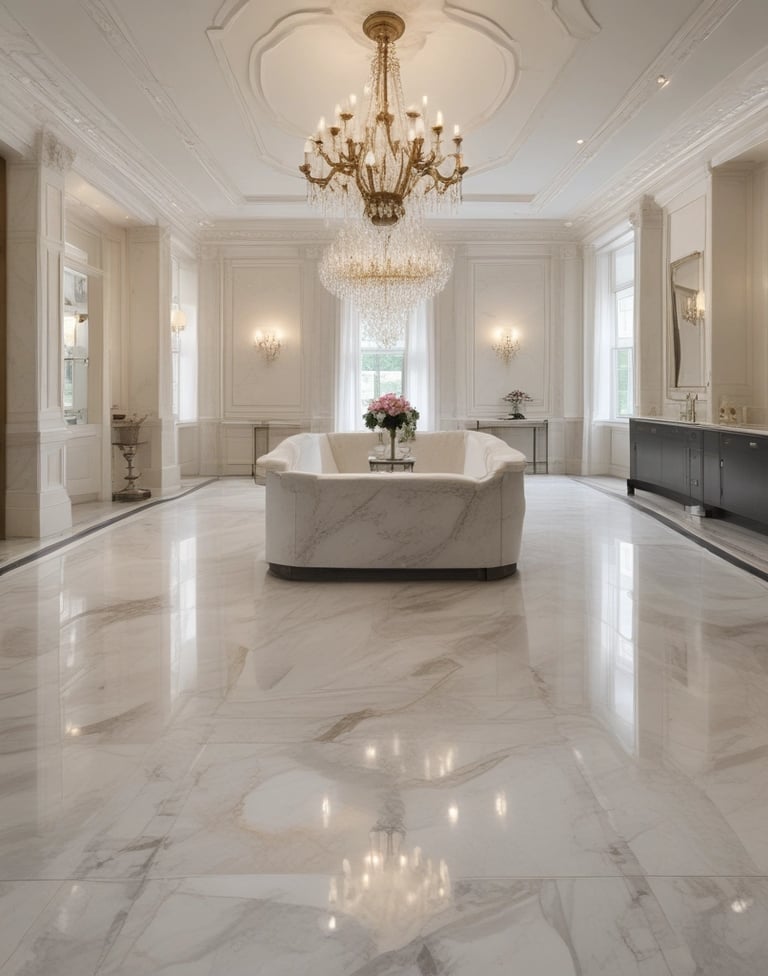
Marble flooring is one of the most elegant and durable surfaces found in homes and commercial buildings. However, even the highest-quality marble can become dull, scratched, etched, or stained over time due to foot traffic, improper cleaning products, and general wear.
Professional marble floor restoration can transform worn stone back into a smooth, polished surface that looks as impressive as the day it was installed. Using specialist diamond polishing equipment, damaged marble surfaces can be repaired, honed, polished and sealed to restore their natural beauty.
Our marble floor restoration service is designed to remove damage, repair imperfections and bring back the deep shine and natural veining that makes marble such a desirable flooring material.
Common Marble Floor Problems
Although marble is a durable natural stone, it is also relatively soft compared with granite or porcelain tiles. This means it can develop visible wear over time.
Some of the most common problems we see with marble floors include:
Scratches and Surface Wear
Heavy foot traffic, furniture movement and grit carried in on shoes can scratch the marble surface. These scratches dull the finish and can make the floor look worn or cloudy.
Etching from Acidic Substances
Marble is particularly sensitive to acidic substances such as lemon juice, vinegar, wine or harsh cleaning chemicals. These can cause etch marks, which appear as dull patches or rings on the surface of the stone.
Even common household cleaning products can damage marble if they are not specifically designed for natural stone surfaces.
Staining
Because marble is a porous material, liquids can penetrate the surface and leave stains. Coffee, oils and coloured liquids are common causes of discolouration.
Uneven Tiles or Lippage
Over time, tiles may settle or shift slightly, creating uneven edges between tiles. This is known as lippage, and it can make the floor uncomfortable to walk on as well as visually unattractive.
Dull or Cloudy Appearance
In high-traffic areas such as kitchens, hallways or hotel entrances, the original polished finish of marble can wear away, leaving the floor looking dull and lifeless.
When these issues appear, professional restoration is the best way to bring the floor back to its original condition.
Our Marble Floor Restoration Process
Marble floor restoration is a specialist process that involves mechanically refining the stone surface to remove damage and restore the natural finish. The process typically includes several stages, each using progressively finer abrasives to achieve the desired result.
While every project is slightly different depending on the condition of the floor, the typical restoration process includes the following steps.
1. Inspection and Assessment
Every restoration begins with a full inspection of the marble surface. We assess the type of marble, level of damage, and the finish required.
At this stage we identify:
scratches and etching
stains or discolouration
loose or cracked tiles
uneven tile edges
areas requiring repair
This allows us to determine the appropriate restoration approach and diamond-polishing sequence.
2. Deep Cleaning
Before restoration begins, the floor is thoroughly cleaned using specialist pH-neutral stone cleaners. This removes built-up dirt, grease, old sealers and cleaning residues that may interfere with the restoration process.
3. Repairing Cracks and Chips
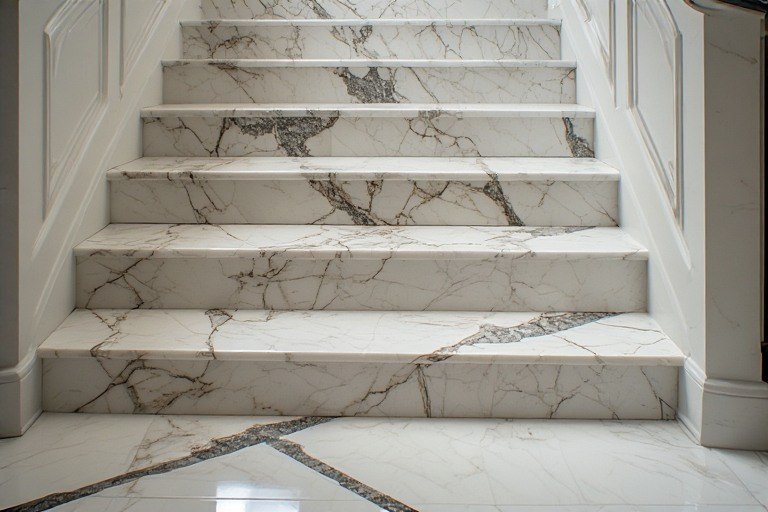
Any cracks, holes or damaged tiles are repaired using colour-matched resin fillers designed to bond with natural stone. Once the repair material cures, the surface is refined so the repair blends seamlessly with the surrounding marble.
4. Grinding and Honing
Grinding and honing are key stages in marble restoration.
Using professional diamond grinding equipment, a very thin layer of stone is removed from the surface. This process removes:
scratches
etch marks
surface stains
uneven tile edges
Honing smooths the marble surface and prepares it for polishing. This stage uses progressively finer diamond abrasives to refine the stone and create an even finish.
5. Marble Polishing
Once the surface is fully honed and smooth, polishing compounds and fine diamond pads are used to bring out the marble’s natural shine.
Different polishing finishes can be achieved depending on the client’s preference:
matte finish
satin finish
high gloss finish
The polishing process enhances the natural colour and veining of the marble, restoring its luxurious appearance.
6. Sealing the Marble
Finally, a high-quality impregnating sealer is applied to the marble surface. This penetrates the stone and helps protect it from future staining and moisture penetration.
Sealing also makes the floor easier to clean and maintain in the future.


Marble Polishing vs Marble Replacement
Many homeowners assume that damaged marble floors need to be replaced. In most cases, professional restoration is a far more cost-effective solution.
Marble polishing and restoration can remove scratches, etching and dullness while preserving the original stone surface. Replacement, on the other hand, involves removing tiles, purchasing new materials and reinstalling the floor, which is significantly more expensive.
In many cases, marble restoration can make a floor look almost new at a fraction of the cost of replacement.
Request a Free Marble Floor Assessment
If your marble floor has become scratched, dull, or stained, professional restoration can restore its original beauty.
Our specialist marble restoration service can repair damage, polish the surface and protect the stone so it looks its best for years to come.
We provide marble floor restoration throughout Sussex, including Brighton, Worthing, Horsham, Crawley and surrounding areas.
Contact us today to request a free marble floor assessment and quotation.
Our team will evaluate your floor, explain the restoration process and provide a clear recommendation for restoring your marble to its original finish.
Frequently Asked Questions
How much does marble floor restoration cost?
The cost of marble floor restoration depends on several factors, including the size of the floor, the level of damage, and the finish required. Most restoration projects are priced per square metre.
How long does marble restoration take?
Most residential marble floors can be restored within one to two days depending on the size of the area and the level of repair work required.
Can deep scratches in marble be removed?
Yes. Deep scratches can usually be removed through diamond grinding and honing. This process removes a very thin layer of stone to eliminate surface damage.
Will marble restoration make my floor shiny again?
Yes. Professional polishing can restore the natural shine of marble and enhance its colour and veining.
How long does marble sealing last?
In most homes, marble sealers last between 18 and 24 months before reapplication is recommended.
Can heavily damaged marble be restored?
In many cases, even severely worn marble can be restored. However, if tiles are cracked or structurally damaged, they may need to be replaced before restoration.
How can I maintain my marble floor after restoration?
Use pH-neutral stone cleaners, avoid acidic cleaning products, and wipe up spills quickly. Regular maintenance will help keep the marble looking its best.
Contact us
SSSR
4 The Twitten
Albourne
BN69DF
info@sssr.co.uk
01273 936055
SSSR© 2026. All rights reserved.
Stone Floor Restore Limited : Trading as SSSR
Company Number : 17402188