Tel : 01273 936055
Will Stone Floor Restoration Increase My Home's Value in Sussex
Understanding the true value of floor restoration
5/7/20266 min read
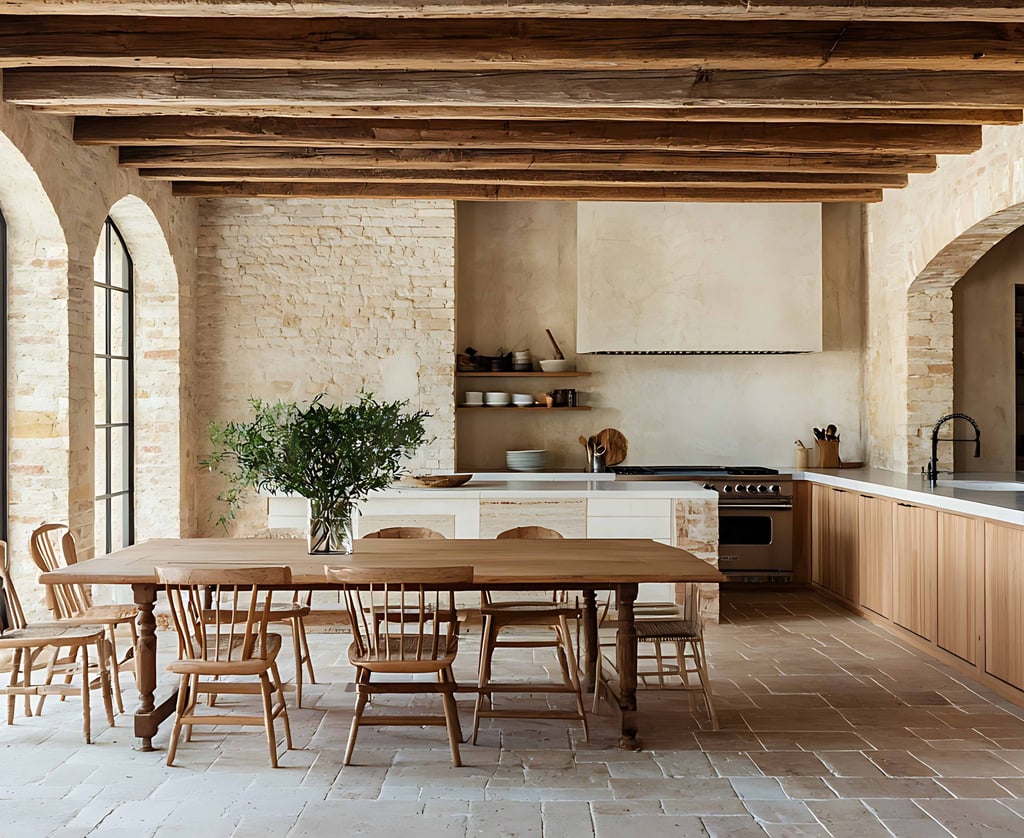
It's one of the most common questions we hear from Sussex homeowners considering restoration: is it actually worth doing, financially, if I'm planning to sell? Or is it money I'll never see back when the for-sale board goes up?
The honest answer is more nuanced than a simple yes or no. Stone floor restoration rarely transforms a property's headline asking price on its own — but it has a very real effect on saleability, perceived condition, and the speed at which a property sells. For most Sussex homeowners with a worn or neglected stone floor, the financial case is genuinely compelling. This article sets out exactly why, what the realistic impact is, and how to think about it sensibly.
The short answer
Restoring a stone floor in good condition typically costs £900–£3,000, depending on size and stone type. The likely impact on your property's saleability and final sale price will usually exceed that figure, sometimes significantly, but the value isn't always visible as a line item in the asking price. It shows up in faster sales, fewer price reductions, and stronger buyer confidence.
If you're staying in the property and simply want to enjoy a beautiful floor again, the financial case is even simpler: restoration costs a fraction of replacement, and the result lasts for many years.
Why estate agents care about flooring condition
Speak to any experienced Sussex estate agent and you'll quickly hear how much weight buyers place on flooring. There's a good reason for it. Flooring is one of the few features of a home that buyers cannot easily change after moving in, unlike paint, lighting or even kitchen fittings. Replacing a floor is disruptive, expensive and time-consuming. A buyer looking at a property with a worn or damaged stone floor isn't just seeing a tired surface; they're seeing a job they'll need to deal with themselves.
Major UK property platforms have consistently identified original flooring as a feature buyers actively look for and pay attention to. Zoopla and Rightmove both highlight original floors as a feature that adds to a property's appeal, and the corollary is that visibly damaged or neglected flooring detracts in proportion.
This matters more for stone floors specifically because stone is associated with quality and longevity. A buyer seeing a beautifully restored marble hallway or an immaculate slate kitchen floor reads it as a sign that the owner has cared for the property properly. A dull, scratched or stained stone floor sends the opposite signal.
Will Stone Floor Restoration Increase my home's Value in Sussex?
Saleability vs Sale price, the distinction that matters
There's an important distinction here that often gets overlooked. The value of a property, its market price, is influenced by location, size, condition, fittings and comparable sales. The saleability of a property is something different: it's how easily and quickly the property sells, how many viewings translate into offers, and how close the final sale price comes to the asking price.
Stone floor restoration rarely measurably shifts a property's headline value. What it reliably does is improve saleability. A property in genuinely good condition throughout, including the floors, sells faster, attracts more interest, and is far less likely to be the subject of price reductions during a long marketing period.
In practical terms, a restored stone floor in a Sussex property is unlikely to add £10,000 to the asking price. But it can easily mean the difference between selling at the asking price within four weeks and selling £15,000 below the asking price after three months on the market. That difference, in real money, far exceeds the cost of restoration.
When restoration genuinely transforms a property's appeal
Some restorations have an outsized impact on how a property is perceived. These are the situations where the financial case is strongest:
Original Victorian or Edwardian tiled hallways
Original geometric or encaustic-tiled hallways in Brighton & Hove, Hove, Lewes, Eastbourne, and other Sussex period towns are exactly the kind of feature that estate agents highlight in marketing photographs and that buyers fall in love with. A restored Victorian hallway can become the defining feature of a property — and buyers will pay for it
Marble or limestone in a high-spec kitchen
Buyers viewing a high-spec kitchen with a tired stone floor immediately subtract the cost and disruption of replacing it. A restored marble or limestone kitchen floor presents the kitchen as the genuinely premium space it was designed to be.
Original flagstones in country properties
Original flagstones in farmhouses, cottages and barn conversions across the Weald and the South Downs are irreplaceable. A buyer viewing a country property with neglected flagstones sees a problem; a buyer seeing the same floor restored sees a feature that defines the home's character.
Slate or travertine kitchen and conservatory floors
Modern stone floors in kitchen-diners, conservatories and orangeries are big-ticket features when they're in good condition. When they look tired, they undermine the whole space. Restoration brings them back to a finish that supports the rest of the room rather than detracts from it.
For the vast majority of Sussex homeowners, restoration is the only option that makes financial sense. The cost is a small fraction of the replacement cost, the disruption is minimal, and crucially, the original character of the floor is preserved. Period stone floors, in particular, cannot be replaced without losing something irreplaceable. A buyer can tell the difference between an original floor and a new one, and they value the original.
If you're not selling — the case for restoration anyway
Most stone floor restorations are not done in preparation for sale. They're done by homeowners who want to enjoy a beautiful floor in the home they're staying in. The financial argument here is different but equally compelling.
A professionally restored stone floor with proper sealing typically holds its finish for five to ten years, depending on stone type, foot traffic and aftercare. Compare that to the cost of replacing the floor entirely, typically five to ten times the cost of restoration, or the ongoing cost of living with a floor that has lost its character. For homeowners staying put, restoration delivers immediate enjoyment of the floor and protects the long-term condition of one of the property's most valuable features.
When restoration is most clearly worth doing
Three situations make restoration almost always financially sensible: (1) you're considering selling within the next 12 months, and your floor is visibly tired, (2) you have an original period feature floor that defines the character of the property, or (3) you're planning to stay and want to enjoy the floor for the next decade or more without thinking about it. In any of these cases, professional restoration is the most financially sensible option.
How to decide if restoration is right for your Sussex property
If you're weighing up the decision, a few practical points are worth considering:
How does the floor compare to the rest of the property? If everything else is in good condition and the floor lets it down, restoration has a strong case
Is the floor original to the property, particularly in a period home? Original features are almost always worth preserving and restoring
How long do you plan to stay? Restoration that holds its finish for 5–10 years pays back through years of enjoyment, not just at sale time
What's the state of the local market? In a buyer's market, presentation matters more — restoration helps the property stand out
What would the replacement cost be? If the alternative is paying five to ten times more to replace the floor, restoration becomes obvious
The bottom line for Sussex homeowners
Stone floor restoration is unlikely to be the single thing that adds tens of thousands to your property's sale price. But it is one of the most cost-effective improvements you can make to a Sussex home, and one of the very few that actively preserves rather than replaces original character. For homes with original period stone floors — which is a huge proportion of Sussex's housing stock — restoration is almost always the right answer financially, aesthetically and practically.
Combine that with the fact that a restored floor delivers years of daily enjoyment to anyone living in the property, and the question becomes less 'will it add value?' and more 'why would you not?'
Thinking of selling — or just want to enjoy a beautiful floor again?
Whatever the reason for considering restoration, the first step is always the same: a free, no-obligation site survey. We'll tell you honestly what your floor needs, what it'll cost, and what to expect. We work across East and West Sussex — including Brighton & Hove, Lewes, Eastbourne, Chichester, Worthing, Horsham, Haywards Heath and all surrounding areas.
Visit: sssr.co.uk/contact | Call: 01273 936055
Contact us
SSSR
4 The Twitten
Albourne
BN69DF
info@sssr.co.uk
01273 936055
SSSR© 2026. All rights reserved.
Stone Floor Restore Limited : Trading as SSSR
Company Number : 17402188